03/19/26
Best of the West: Electric planes take off; State-Tribal water agreement; Leading on battery storage; Using AI to protect marine life; and Govs team up on interstate bridge project
.png)
The Western Governors' Association keeps you updated on the latest news in the West. Here are the top stories for the week starting March 16, 2026. (Photos courtesy of BETA Technologies, Adobe Stock Images, and the Office of Washington Governor Bob Ferguson).
Once the stuff of science fiction, flying cars and electric airplanes have been taking important strides closer to reality lately.
Last week, Transportation Secretary Sean Duffy announced eight pilot programs across the country to test futuristic modes of electric air travel. The program is part of the Advanced Air Mobility and Electric Vertical Takeoff and Landing (eVTOL) Integration Pilot Program, and it will test everything from urban air taxis to regional passenger travel and emergency medical response via next-generation aircraft.
Most futuristic eVTOL aircraft resemble flying cars with a helicopter-like vertical takeoff and the efficient winged gliding of an airplane.
In the West, Utah and New Mexico were selected as lead states for pilot programs, with Alaska, Arizona, California, Idaho, Oklahoma, Oregon, Texas, Washington, and Wyoming participating as well.
In Utah, the pilot program will test new technologies in different environments across the region, including urban areas, mountainous terrain, and wildfire-prone landscapes to assess the capabilities of electric aircraft in real-world situations. Utah’s program will lead more than 30 public and private partners across Arizona, Idaho, Oklahoma, and Oregon.
“Utah has built a national reputation as a home to innovation,” said Governor Spencer Cox. “This partnership puts Utah at the forefront of the next generation of aviation technology while creating new opportunities for economic growth, research and workforce development across our state.”
Leaders in Utah even discussed their hopes of having electric air taxis in flight in time for the 2034 Olympic Games in Utah.
In New Mexico, the City of Albuquerque and Reliable Robotics were selected to test autonomous aircraft systems for cargo flights in the Four Corners region. Reliable Robotics builds remotely piloted planes and advanced autopilot technologies to help make flying safer. Initial test flights could take off in the Albuquerque area as soon as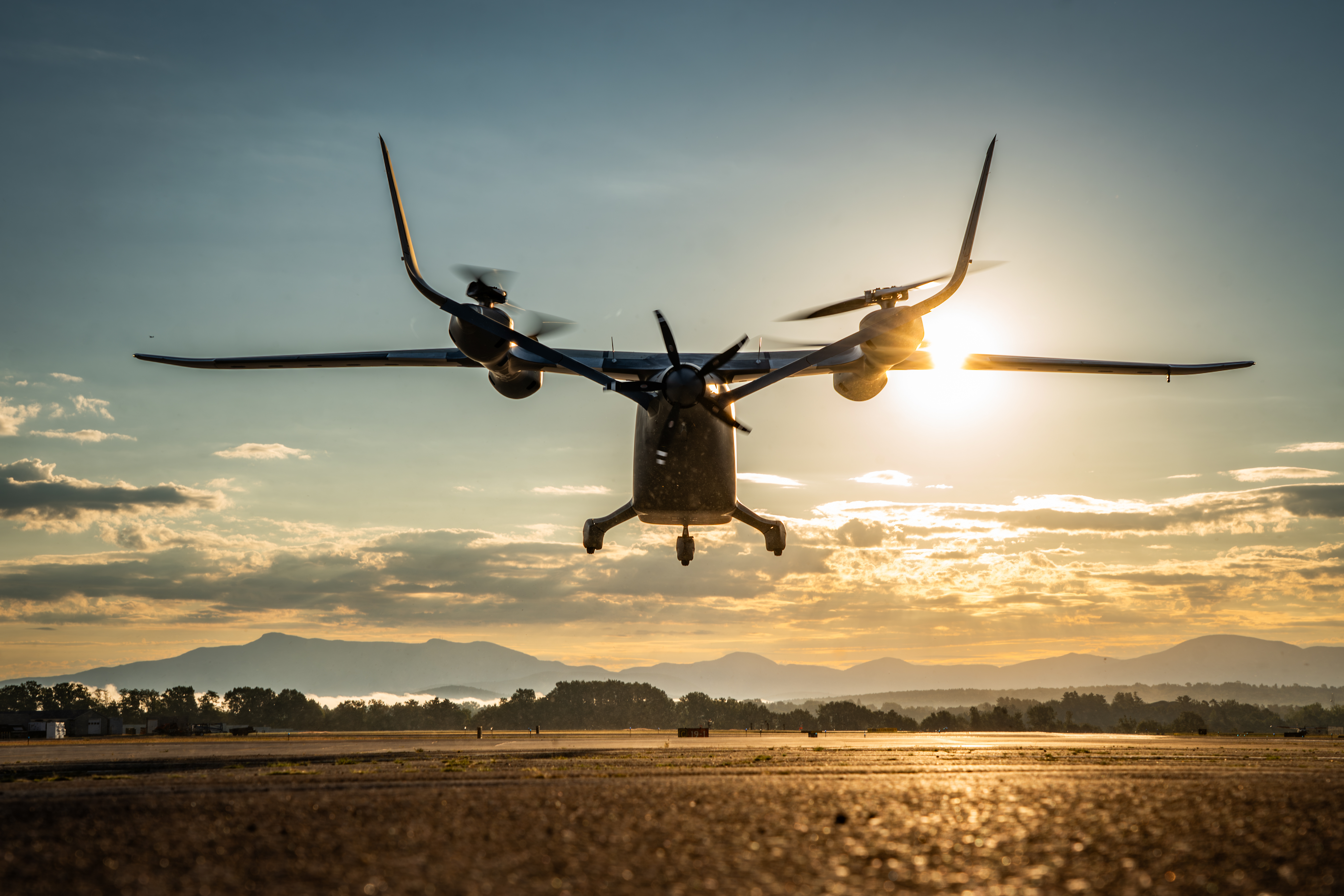 this summer.
Outside of the DOT program, Hawaii residents should be on the lookout for the state’s first-ever electric passenger air service. The regional air travel company Surf Air Mobility is partnering with electric plane maker BETA Technologies to purchase up to 100 electric planes for interisland flights. The company plans to start with cargo flights before shifting to passenger service in 2027 via Mokulele Airlines.
Hawaii is an ideal market for electric passenger air travel because of its demand for short-haul interisland trips and the high cost of imported fuel.
Water rights agreement: in Idaho, Governor Brad Little joined state and tribal leaders earlier this month to sign a historic water rights agreement. The agreement ends decades of negotiations between the state and the Coeur d’Alene Tribe, and it guarantees water rights for both the Tribe and surrounding communities in northern Idaho.
“This historic water rights agreement delivers certainty for water users and lasting protection for Coeur d’Alene Lake and everyone who depends on it. After years of hard work, we are proud to stand alongside Chief Allan and tribal leaders to mark this milestone. Countless partners came together to forge a balanced, durable solution that strengthens water reliability and benefits all of North Idaho,” Governor Little said.
Leading on battery storage: U.S. battery storage jumped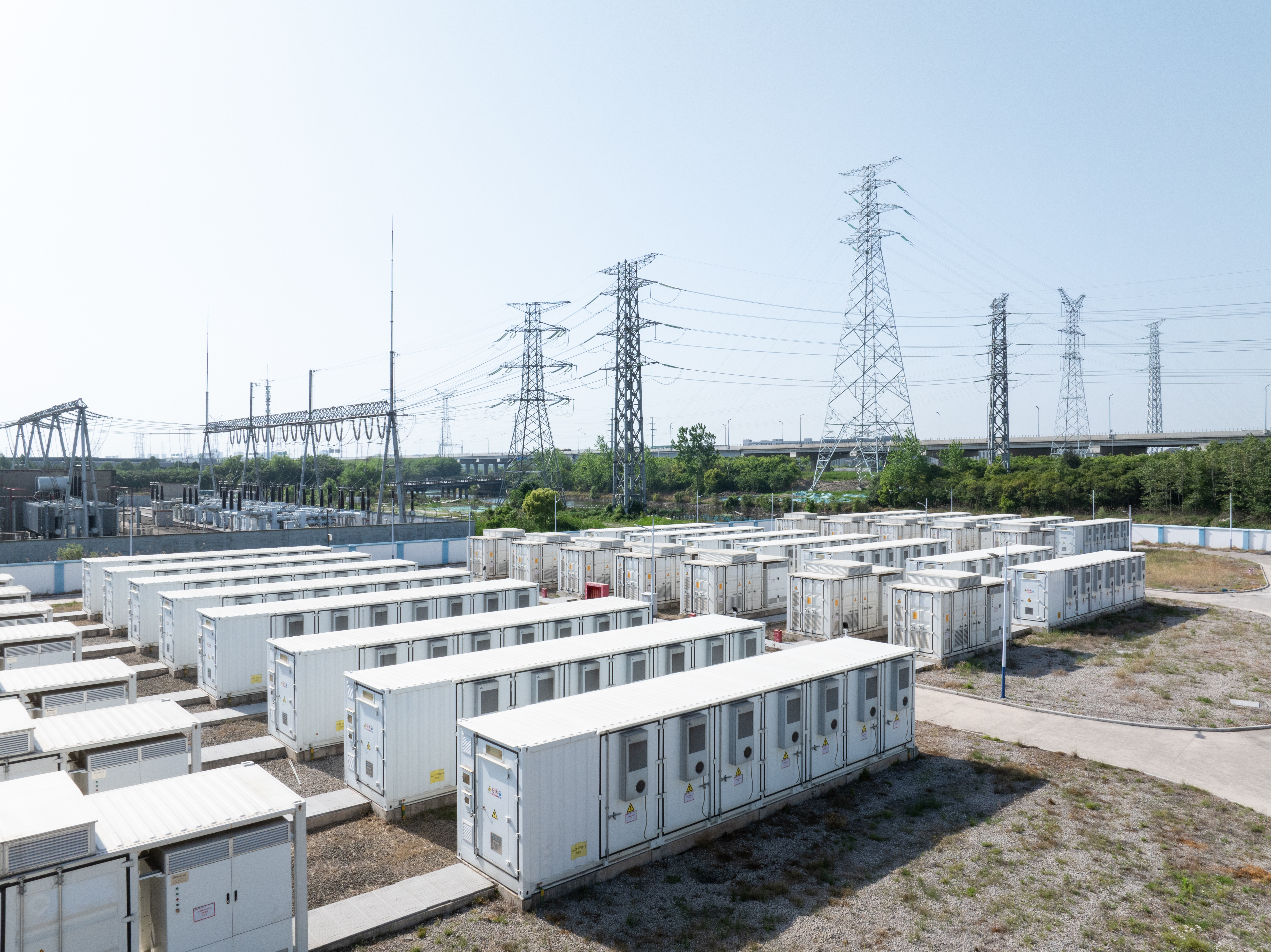 30% last year, resulting in the largest single-year buildout of battery storage on record. Western states played an important role in that increase, with Arizona, California, Colorado, Idaho, Nevada, New Mexico, and Texas all ranking in the top 10 for installed battery storage.
Large-scale storage projects like Colorado’s Front Range battery installation and Nevada’s Gemini Battery Storage Project are helping boost the region’s capacity, according to KUNR.
Using AI to spot whales: a technology that was first tested in Hawaii 10 years ago is now making its debut on Matson container ships, with the help of artificial intelligence. The appropriately named “WhaleSpotter” uses AI to detect whales several nautical miles ahead of a ship, giving captains time to avoid the animal.
One of the inventors of the technology told Hawaii Public Radio that around 10,000 whales are hit by ships every year.
Govs team up on interstate bridge: this week, Washington Governor Bob Ferguson and Oregon Governor Tina Kotek reaffirmed their commitment to replacing the 109-year-old Interstate Bridge on I-5 between Vancouver, Washington, and Portland, Oregon. The critical connection between the two states is vulnerable to collapse in a major earthquake, and both Governors have committed to efficiently getting a new fixed-span bridge built to avoid delays and cost increases.
“The bridge must, and will be replaced,” Governor Ferguson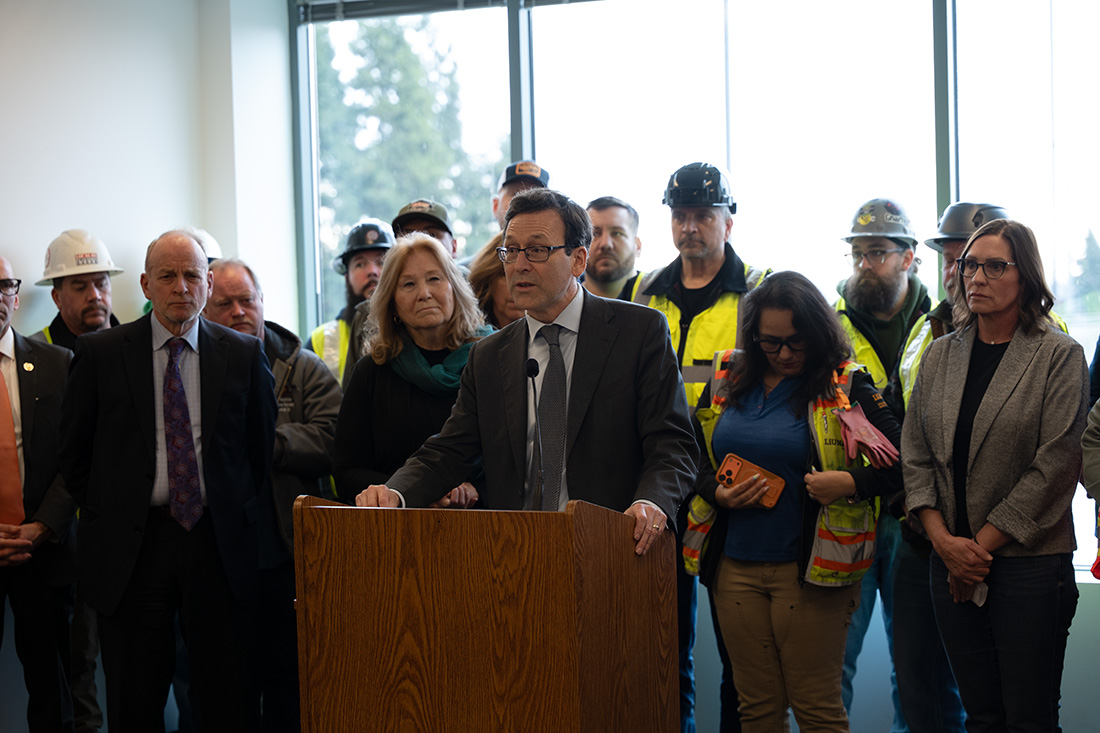 said. “Delaying a major project has never made costs go down. We’ve achieved important progress in the past year, and we will continue to move forward by focusing on the core mission of replacing the bridge.”
“We need a new bridge and it's time to start building it," said Governor Kotek. "By focusing our available funding on a core set of projects, we can deliver what Oregonians have been waiting on for decades: a modern, earthquake-ready bridge, with no bridge lifts, less traffic congestion, extended light rail and better options for people walking and biking. At my direction, ODOT will focus on protecting Oregon taxpayers by making sure this critical project is delivered as efficiently as possible.”