06/04/26
Best of the West: Geothermal takeoff; AK Sustainable Energy Conference; Benefits of Rx burns; SunZia powering on; and portable nuclear power
The Western Governors' Association keeps you updated on the latest news in the West. Here are the top stories for the week starting June 1, 2026.(Photos courtesy of Adobe Stock Images, Fervo Energy, and the Office of Alaska Governor Mike Dunleavy)
“Red hot,” “energy revolution,” and “gold rush” were just some of the terms used over the past few weeks to describe this moment for the geothermal industry.
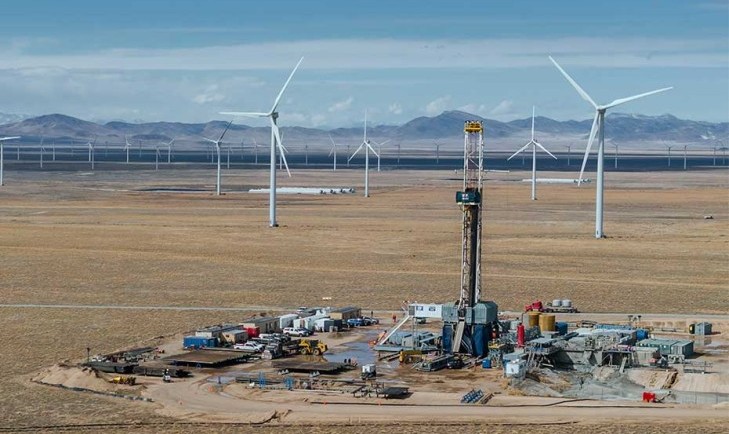
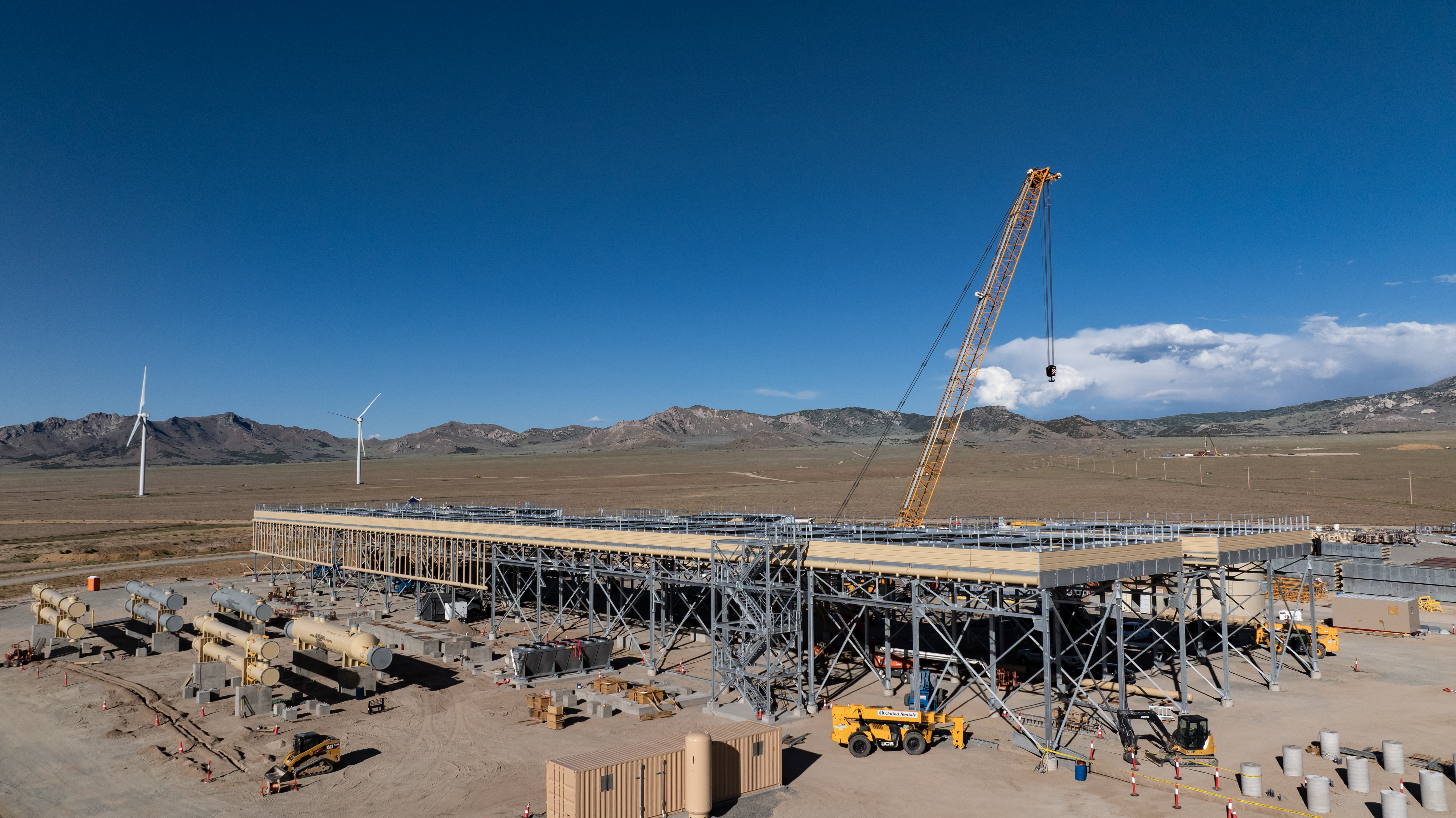 The media craze was kicked off last month when next-generation geothermal company Fervo Energy announced its initial public offering and became the first publicly traded company of its kind.
After smashing original expectations and raising nearly $2 billion in its IPO, Fervo’s shares are already up 42% to land at a market cap of $12.4 billion.
Fervo’s Cape Station project in Utah is expected to start delivering power to customers in October, and two more units are coming online in January. The company currently has 658 megawatts of power-purchase agreements on the books with companies like Southern California Edison and Google, with plans to grow its power generation significantly.
“There was such deep skepticism from investors that it was hard not only for Fervo but the entire geothermal ecosystem to actually capitalize the business,” Fervo’s chief executive, Tim Latimer, told the New York Times. “I think people are waking up to this opportunity and seeing that we’re going to need all kinds of new technologies to close the gap of how much power we need.”
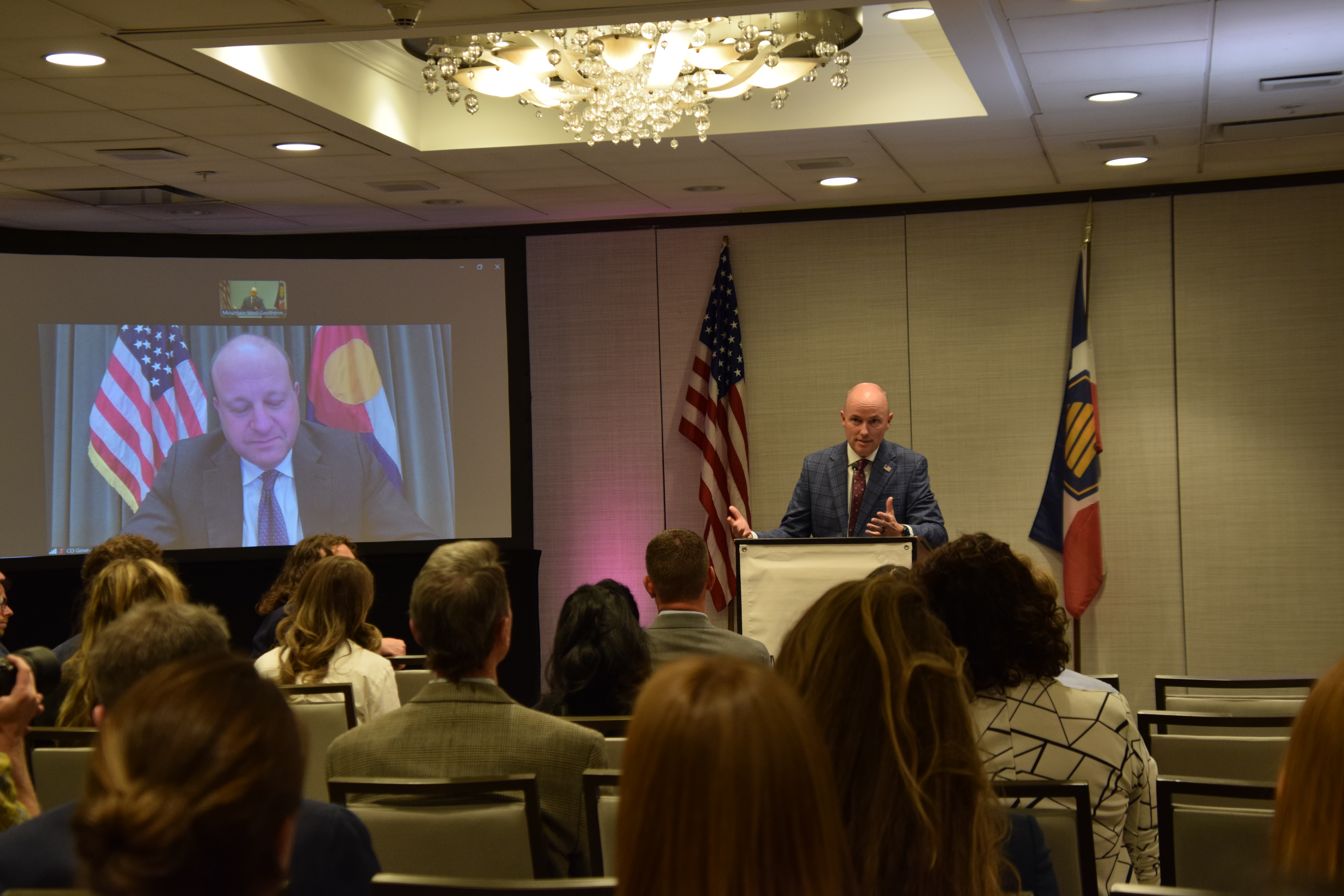 The other big splash in the industry came during WGA’s Energy Superabundance workshop in Salt Lake City, when the Mountain West Geothermal Consortium announced its official launch.
The consortium brings together Arizona, Colorado, New Mexico, and Utah to support the buildout of geothermal power in the West. Governor Spencer Cox of Utah and Jared Polis of Colorado announced the new group alongside WGA Executive Director Jack Waldorf, consortium Director Michael O’Connor, and representatives from leading geothermal companies Zanskar and Fervo.
The consortium hopes to bring resources and expertise together from around the region to unlock hundreds of gigawatts of clean, baseload power in the Mountain West.
For more on how Western Governors are advancing geothermal energy, watch the Consortium’s kickoff press conference, WGA’s Energy Superabundance workshops, and read the Heat Beneath Our Feet initiative report from Governor Jared Polis’ term as WGA Chair in 2023.
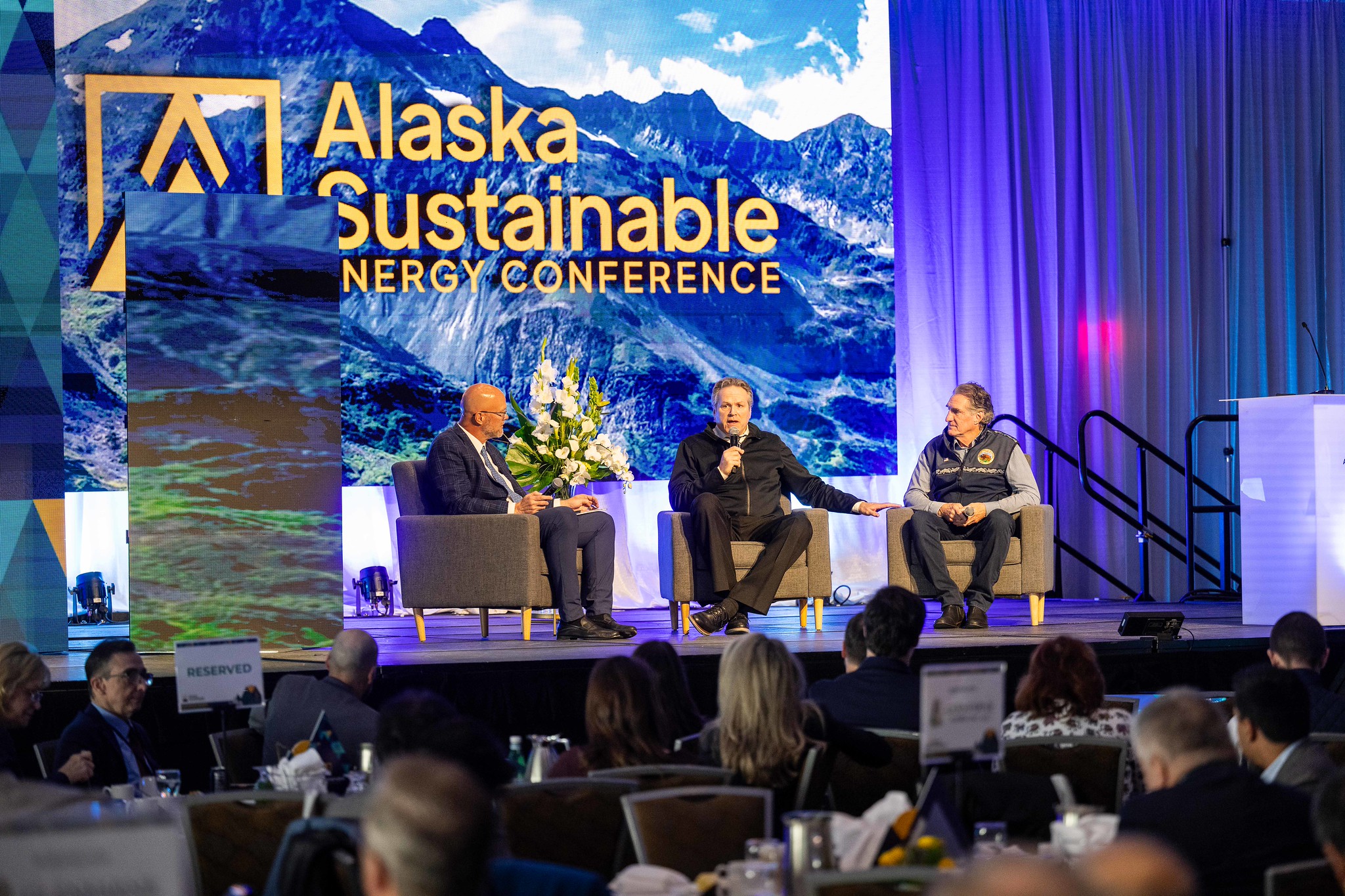 Alaska Sustainable Energy Conference: last week, Alaska Governor Mike Dunleavy hosted the fifth annual Alaska Sustainable Energy Conference, which brought together nearly 1,000 energy industry leaders, investors, innovators, and policy makers from at least 35 U.S. states and 10 countries.
The conference featured a keynote discussion between Governor Dunleavy and Interior Secretary Doug Burgum, as well a handful of energy-related agreements between the State of Alaska and the National Laboratory of the Rockies, South Korea’s largest trading company, POSCO, and Yukon Premier Curry Dixon.
“We started this conference five years ago to put Alaska on the map for investors and to show that while Alaska is an oil giant, we have so much more to offer the nation and our allies,” Governor Dunleavy said. “By all accounts, Alaska is back on the map.”
Benefits of Rx burns: a new study from the University of California, Davis, found that prescribed burns and mechanical thinning of forests curtailed the release of 2.7 million tons of carbon dioxide, avoided $2.8 billion in damages, and prevented 60 premature deaths in the western US across a recent seven-year period.
The study also found that every dollar invested in fuels treatment resulted in $3.73 in benefits.
Read more about Western Governors’ bipartisan policy on forest management and prescribed burning in WGA Policy Resolution 2024-02, National Forest and Rangeland Management.
SunZia powering on: last month, the largest renewable energy project ever built in the US started generating power. The SunZia project, which will send wind power generated from 916 turbines in New Mexico to consumers in California, began testing its turbines ahead of commercial operations later this year.
The 3.5-gigawatt project includes a 550-mile transmission line, capable of supplying power to 3 million people in California and Arizona. Some estimates suggest that the project could be fully operational as soon as June 15.
Portable nuclear power: small nuclear reactors could be coming to Buckley Space Force Base in Colorado and Malmstrom Air Force Base in Montana after the Air Force selected the two sites for the Advanced Nuclear Power for Installations initiative.
The program is looking to have at least one advanced nuclear reactor operating at an Air Force facility by 2030 or sooner.
“The future of air and space dominance is powered by resilient energy,” said Michael Borders, assistant secretary of the Air Force for Energy, Installations and Environment. “By integrating advanced nuclear technology, we are not just keeping the lights on; we are guaranteeing that our most critical national security missions will never be held at risk by a power outage. This is a pivotal moment for the Department of the Air Force.”
For more on nuclear power in the West, watch the first Energy Superabundance workshop from Idaho National Laboratory, which focused on nuclear energy.