12/11/25
Best of the West: Western images dominate NWF photo contest, converting a coal-fired power plant, discovering geothermal resources with AI, transferring groundwater rights, and a rare jaguar sighting
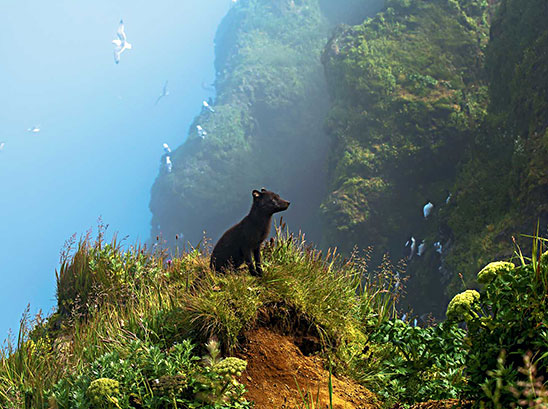
The Western Governors' Association keeps you updated on the latest news in the West. Here are the top stories for the week starting December 8, 2025. (Photos courtesy of the National Wildlife Foundation and the University of Arizona Wild Cat Research and Conservation Center).
Each year, thousands of photographers submit their work to the National Wildlife Federation’s annual photo contest.
Now in its 54th year, the contest drew more than 30,000 images from 3,200 photographers across the globe.
“In reviewing this year’s photo contest entries, our judges noted a couple of unmistakable themes,” writes Jennifer Wehunt, editorial director of National Wildlife Magazine. From “astonishing glimpses of nature’s sheer strength [to] surprises that defy the everyday,” these images showcase the power of nature.
Despite photos being submitted from around the world, the winning images were overwhelmingly captured in the western United States. This includes the Grand Prize, which went to Kathleen Borshanian for a surreal image of an Arctic Fox on St. George Island in Alaska (see above).
So too did the first-place photos for the categories of baby animals, birds, landscape and plants, mammals, mobile, and young nature photographers. In fact, the only categories not won with a photo from the western U.S. were other wildlife, people in nature, and portfolio.
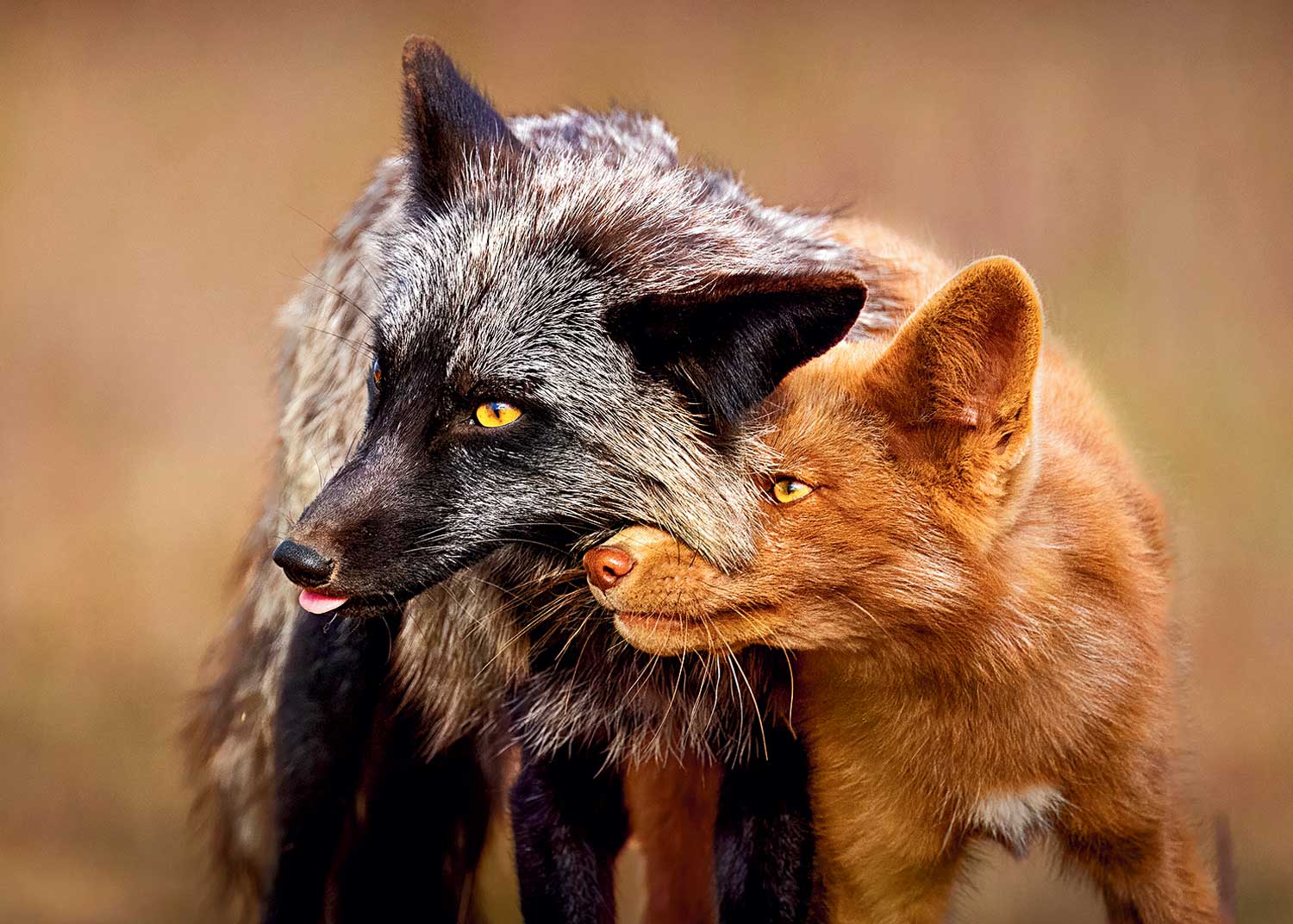 Steffen Foerster won the baby animals category for a photo of a mom and kit red fox who were snuggled up on San Juan Island in Washington.
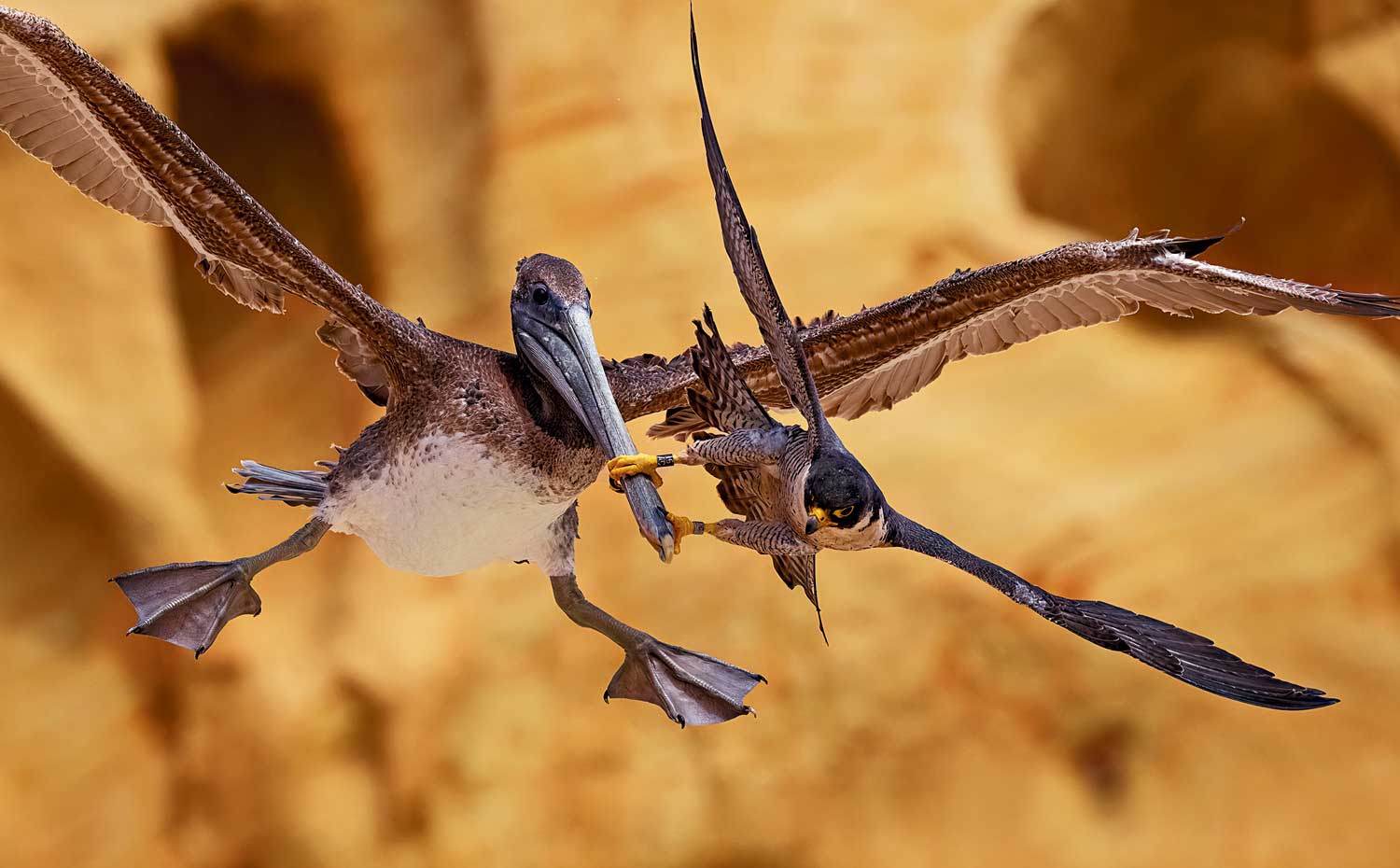 Jack Zhi won the birds category for an image he captured of a peregrine falcon protecting its nest from a much larger brown pelican in San Diego, California.
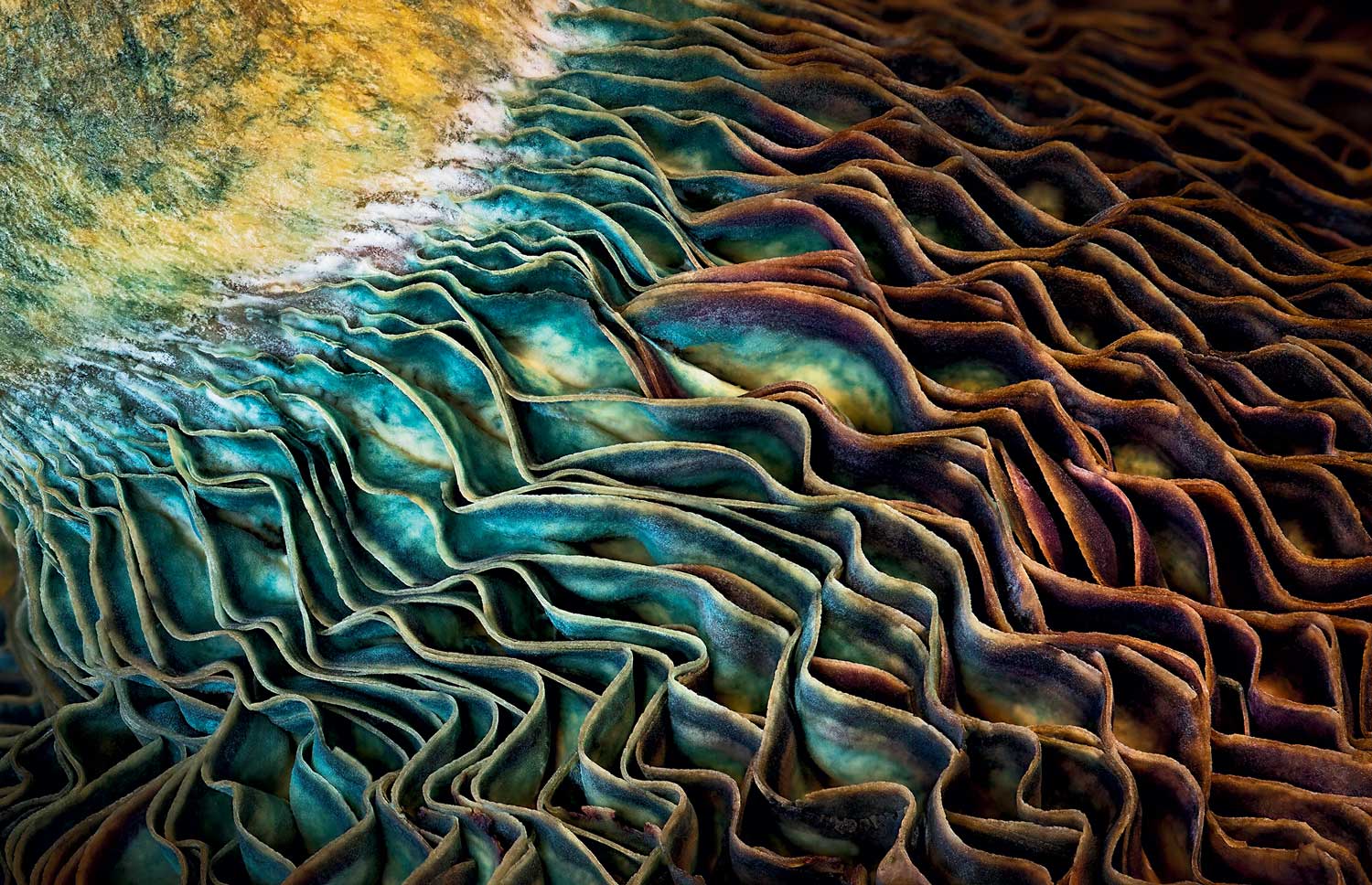 J. Fritz Rumpf won the landscape and plants category for a close-up image of a wild mushroom he found in Woods Canyon Lake, Arizona, that looks like something from outer space or another world entirely.
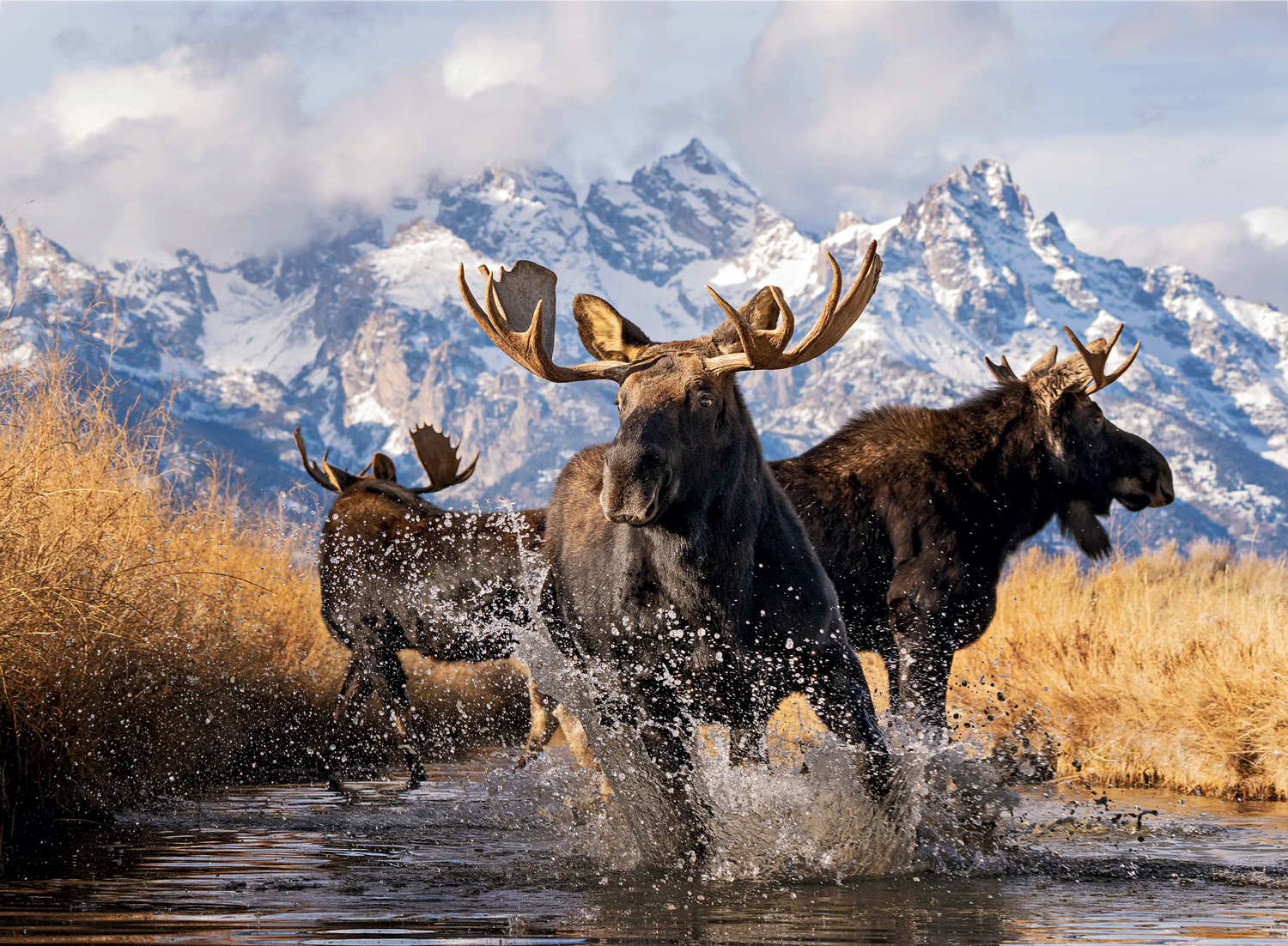 Deena Sveinsson won the mammals category for a striking image of several moose romping through a river in Grand Teton National Park, Wyoming.
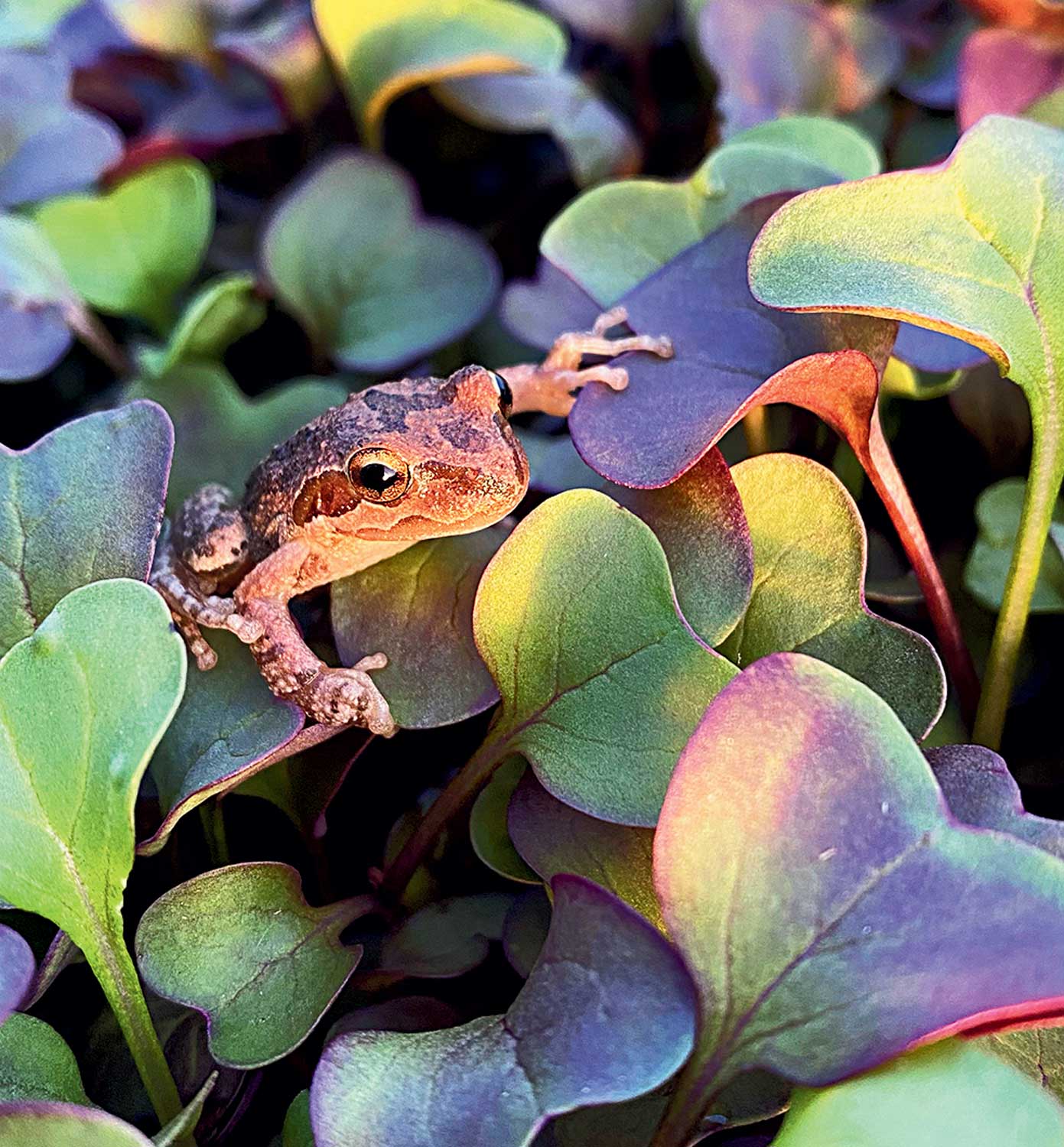 Paige Rudolph won the mobile category for a vibrant image of a tree frog she captured on her phone while working at Sage Hill Ranch Gardens, a no-till regenerative farm in Escondido, California.
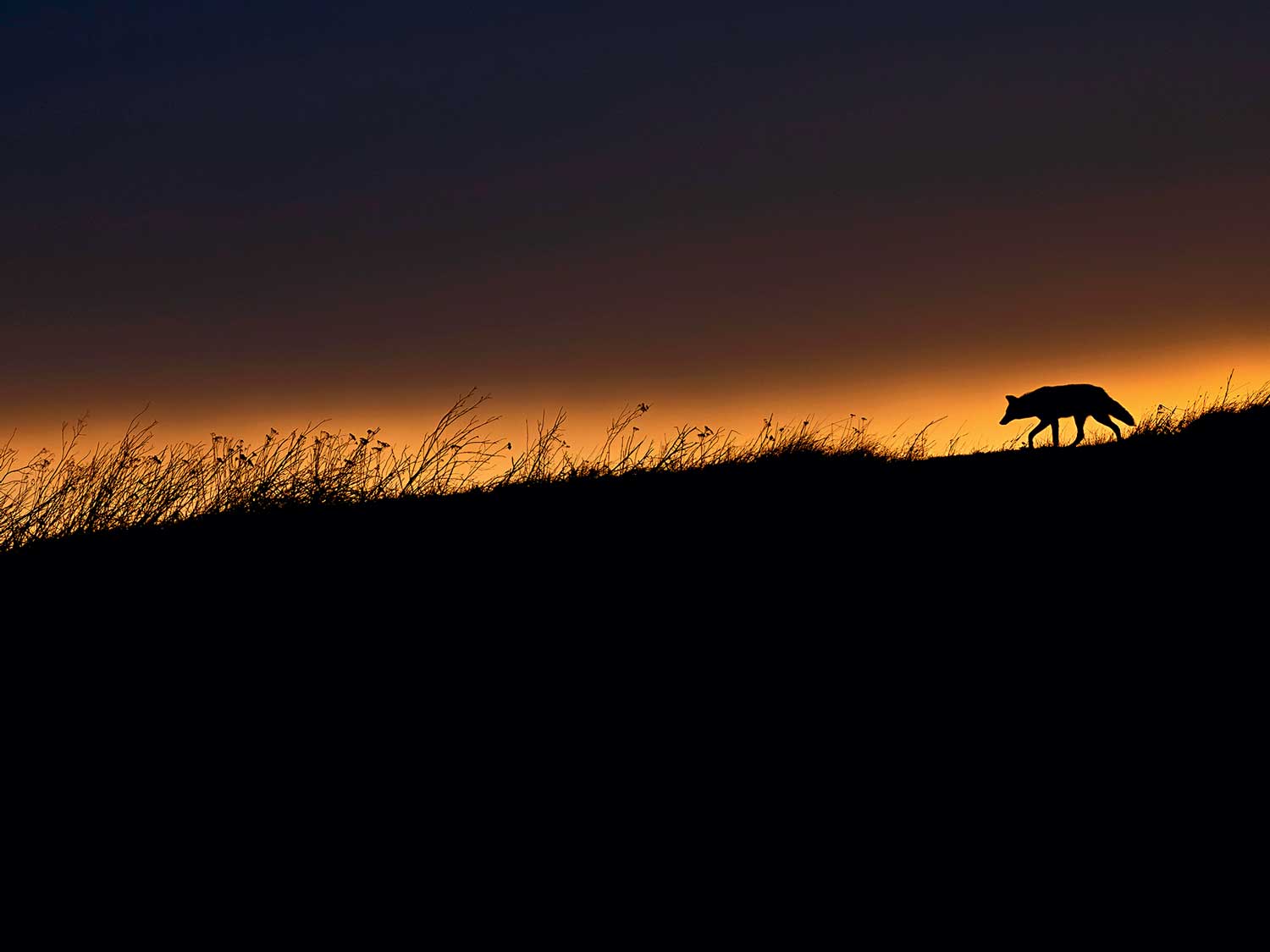 Leo Dale, a 17-year-old from Sonoma, California, won the young photographers category for a breathtaking image of a coyote in silhouette atop a grass-covered hill, "as a magnificent, clouded sunset was materializing” at Point Reyes National Seashore, California.
If you’re feeling inspired, grab your own camera. The 2026 contest opens January 14.
Ag-to-Urban: Arizona Governor Katie Hobbs and state water regulators announced the first transfer of groundwater rights from agricultural use to a new housing development under the “Ag-to-Urban" Groundwater Conservation Program, which was passed by state lawmakers in June.
The first recipient of these groundwater savings credits is Forestar Group Inc., one of the largest residential developers in the country. The water will be used for its Heritage West project in Buckeye, which will develop over 825 homes on more than 160 acres.
“I’m taking bold action to protect our water, grow our economy, and lower costs for Arizona families. The first-ever Groundwater Savings Credits under the Ag-to-Urban program shows we can use new, innovative policies to increase our housing supply, grow sustainably, and save our precious water supplies,” Governor Hobbs said in a news release.
Natural Gas Backup: TransAlta Corporation signed an agreement with Puget Sound Energy this week to switch the last coal-fired power station in Washington state to natural gas.
The plant, located in Centralia, Washington, was scheduled to close at the end of the month. Under the new agreement, the plant will deliver 700 megawatts of power through Dec. 31, 2044.
John Kousinioris, president and CEO of the TransAlta Corporation, said the switch to natural gas “will lower the emission intensity profile of the facility by approximately 50 percent.”
“This project demonstrates the valuable role that legacy assets can play in supporting the State’s clean energy laws and system reliability in a cost-effective and timely fashion,” Kousinioris told the Washington State Standard.
In an interview conducted by the Washington State Standard before the announcement, former Washington Governor Christine Gregoire, who helped negotiate the agreement between TransAlta and the state that led to the winding down of the coal plant, said she supported the company burning natural gas there as a backup while planned renewable energy projects around the state, like solar and wind power, get built.
“Natural gas today is under the gun, but it is the backup for us … to avoid the brownouts, blackouts,” Gregoire said. “We do want to move to a clean energy future, but we have to do it in a way that we don’t deprive people and businesses and communities of the energy they so desperately need.”
AI-discovered Geothermal: Zanskar, a Utah-based startup, has begun using machine learning and AI to find hidden geothermal resources. Last week, it announced that it has identified a new commercially viable site in Nevada for a potential power plant. The discovery, WIRED Magazine reported, is the first of its kind made by the industry in decades.
“When we started this company, I think the most common message we heard was that geothermal was dead—it was a history of bones, a graveyard of so many failures,” says Carl Hoiland, a cofounder of Zanskar. “To get to this point where, thanks to these new tools and these new capabilities, you can systematically find these sites and systematically derisk them—we just think this is the first full-scale signal that the tide has turned.”
MMIP task force: in Oklahoma, the state’s new Missing and Murdered Indigenous Peoples task force is holding meetings around the state to identify gaps in addressing the MMIP crisis.
The task force was created by the Attorney General’s office to help tribal partners and state government combine their knowledge and resources to address the crisis.
According to KOSU, the NPR affiliate in Oklahoma, the first of four public listening sessions identified funding gaps, law enforcement training and cultural competency, and better data collection as priorities moving forward.
For more on the MMIP crisis and Western Governors’ bipartisan policy on the issue, read WGA Policy Resolution 2023-09, Missing and Murdered Indigenous Persons.
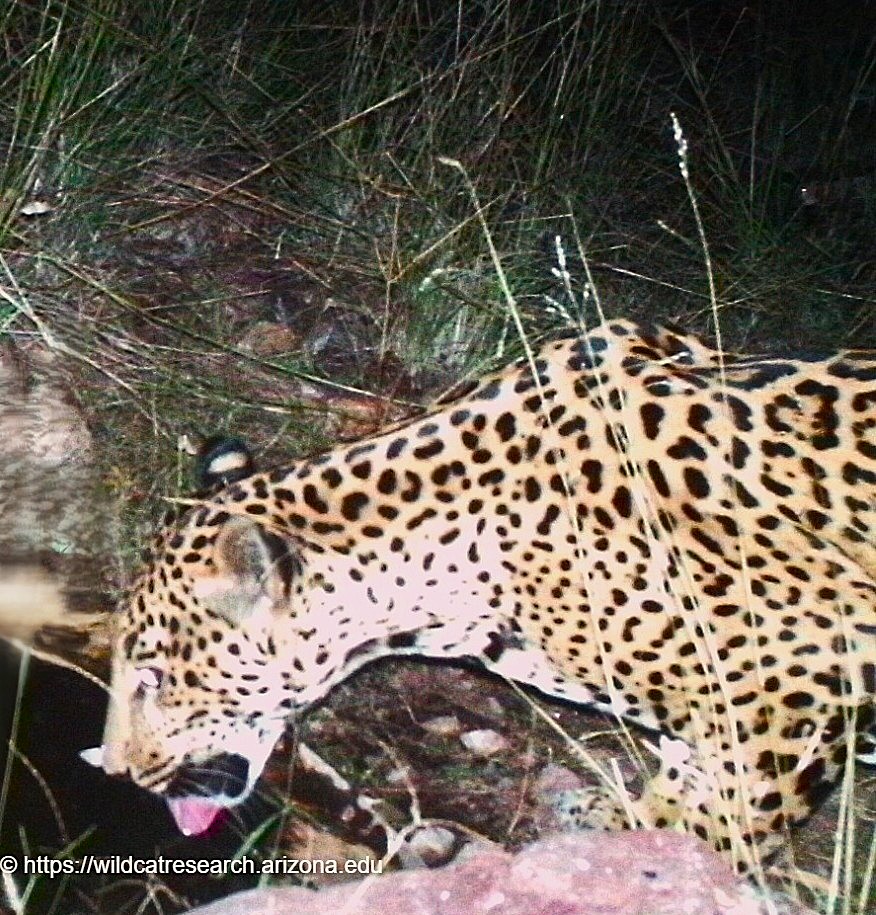 Jaguar sighting: in November, a remote camera in southern Arizona picked up a rare sight: a male jaguar in the United States. More than 99% of jaguars’ typical range is in Central and South America, and only 5 of these big cats have been spotted in the Arizona borderlands in the last 15 years.
Jaguars are endangered in the U.S. due to habitat loss, fragmentation, and their illegal targeting as trophies. Experts say the sighting points to the species’ recovery and indicates the presence of a healthier landscape for them to thrive.