11/19/26
Hawaiʻi Governor Green hosts mental health workshop in Santa Fe
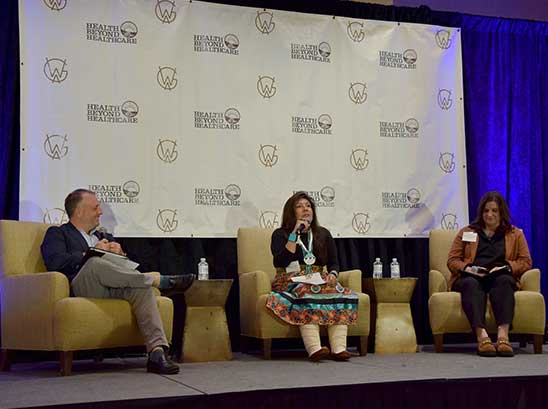
Hawaiʻi Governor Josh Green hosted the third workshop of his WGA Chair initiative, Health Beyond Healthcare, in Santa Fe, New Mexico.
“One of the reasons that I'm spending so much energy on Western Governors is because I believe that we should be a voice for the culture of the West,” he said. “There will be opportunities galore as we both enhance policy and we experiment with new solutions, and I think that's what government should be about… Whatever we come up with, I think is going to be cutting-edge for the entire country.”
In addition to providing remarks to set the stage for both days of policy discussions, Governor Green led a panel on advancing mental health coverage and parity and moderated a fireside chat on the use of indigenous knowledge and cultural traditions to foster well-being and promote healing and resilience in Native American communities.
Workshop panelists also spoke about the conditions influencing mental health beyond the clinic, maternal mental health, healthy aging, healing after disasters for first responders, and care during incarceration and reentry.
Watch recordings of Governor Green’s remarks and the workshop sessions by clicking on the titles below.
You can also watch recordings from the previous Health Beyond Healthcare initiative workshops in Bismarck, North Dakota, and Jackson, Wyoming, on WGA’s YouTube channel.
|
|
The Honorable Josh Green, Governor of Hawaiʻi |
|
|
Advancing Mental Health Coverage and Parity Federal mental health parity protections date back to 1996, yet major gaps remain in ensuring mental health and substance use disorder coverage is comparable to physical health coverage. With new parity actions from the Administration and significant changes to the federal health policy landscape on the horizon, this panel will explore opportunities to strengthen federal parity protections, improve enforcement and accountability, and address persistent barriers to accessing covered services.
|
|
|
Mental Health Beyond the Clinic Our nation leads the world in medical research and care, but despite increased investment and rising costs, mental health outcomes frequently remain stagnant. Research has shown that clinical care has a smaller influence on health outcomes than other factors outside the traditional health system. Panelists will evaluate the conditions that contribute to mental health and well-being as well as effective strategies to prioritize prevention, integrate care, and drive meaningful progress in the mental health space.
|
|
|
Maternal mental health conditions, such as depression, anxiety, and trauma-related disorders, can affect women during pregnancy and after childbirth. This panel will examine approaches to improving early identification and treatment, reducing barriers and stigma to care, and strengthening mental health support throughout pregnancy and the postpartum period.
|
|
|
Mental Health and Substance Use in Native American Communities This fireside chat, moderated by The Honorable Josh Green,
|
|
|
The Honorable Josh Green, Governor of Hawaiʻi |
|
|
Supporting the mental health of older adults is essential to healthy aging, independence, and overall quality of life. During this session, panelists will discuss the effects of social isolation, cognitive health, and other age-related mental health concerns. Drawing on examples from New Mexico, the panel will examine services, programs, and support systems that enhance well-being for our aging populations.
|
|
|
First responders regularly face traumatic and high-stress situations, while disasters can disrupt care and create new mental health needs across entire communities. This panel will consider ways to support first responders and disaster-affected communities, maintain continuity of care, and integrate behavioral health into disaster preparedness, response, and recovery.
|
|
|
Care During Incarceration and Reentry Incarcerated individuals with mental health conditions often do not receive the care and support they need, posing challenges for reentry and resulting in worsening health outcomes, higher rates of recidivism, and a greater strain on public resources. This session will discuss opportunities to disrupt the cycle of untreated mental illness and empower justice-involved individuals as they transition back into their communities.
|
|
|