11/05/26
Best of the West: Ski Season begins, Good Samaritan Clean Up, Steel Guitar Hall of Fame, Meat Processing Powers, and Voting by Mule in the Grand Canyon
The Western Governors' Association keeps you updated on the latest news in the West. Here are the top stories for the week starting November 2, 2026. (Photos courtesy of Adobe Stock).
Ski season has officially begun, at least in some parts ot the West, and resorts are expanding their footprints, rolling out new technology, and preparing to host major events this winter.
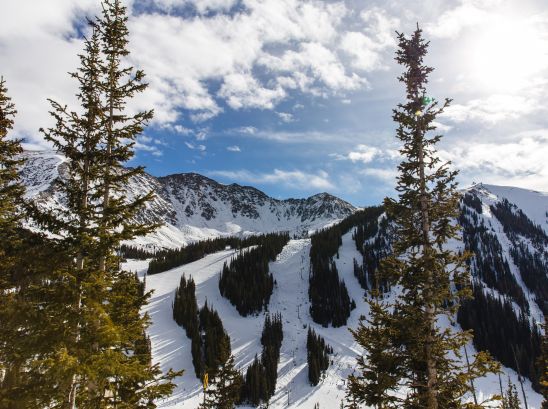
Arapahoe Basin was the first Colorado resort to welcome skiers and riders for the 2026/27 season, opening its lifts on October 28 and setting an exciting tone for the winter ahead.
Farther west, Mammoth Mountain kicked off California’s season on November 5, more than a week earlier than expected, thanks to fresh snowfall over Halloween weekend.
Mt. Rose, on the Nevada side of Lake Tahoe, followed with an opening planned for Friday, November 6, making it the first resort to open in Nevada.
Big investments and expansions
Mammoth’s early start comes on the heels of nearly $13.5 million in capital improvements across Mammoth and its sister resort, June Mountain. A major component is the installation of 16 remote avalanche-control towers, which will let ski patrol conduct avalanche mitigation remotely during severe storms.
In Utah, Deer Valley is delivering the largest expansion in ski resort history. The new Hail Peak Express chairlift will add 200 skiable acres and 7 new runs. Since December 2024, the ski-only resort has more than doubled in size and added 11 new chairlifts.
New snowmaking technology
Snowmaking is also getting an upgrade across the West.
The Summit at Snoqualmie in Washington has installed Latitude90 machines that can produce snow in 65°F weather, using refrigeration to create snow inside an enclosed system before blowing it outside.
In Idaho, Tamarack Resort is investing seven figures to add permanent snowmaking equipment along the Serenity and Waltz trails, plus new mobile snow guns. The upgrades will extend coverage to more than 20 percent of the mountain, helping the resort make better use of limited early-season cold spells and open beginner and top-to-bottom terrain more reliably.
Park City is using LiDAR and sculpted dirt to build an Olympic-sized superpipe with half the water that traditional methods require. The pipe will host Shaun White’s Snow League competition in January 2027 before becoming a permanent terrain park feature for local athletes and resort guests.
Major events
Beaver Creek is gearing up for its biggest Birds of Prey festival yet, running December 3-13. The event features seven World Cup competitions across two weekends of men’s and women’s racing.
Community support after the Cottonwood Fire
Not every resort will be open this winter. In the wake of the Cottonwood Fire that swept across southwest Utah this summer, Eagle Point Resort will remain closed for repairs during the 2026/27 season. The local community and ski industry have rallied in response, with seven resorts offering reciprocal access to Eagle Point season passholders: Kelly Canyon Resort and Soldier Mountain in Idaho; Cherry Peak Resort in Utah; Diamond Peak Ski Resort in Nevada; Great Divide Ski Area in Montana; Loveland Ski Area in Colorado; and Red River Ski & Summer Area in New Mexico.
Abandoned mine cleanup: Trout Unlimited has made major progress in the first cleanup under the U.S. Environmental Protection Agency’s Good Samaritan Remediation of Abandoned Hardrock Mines Pilot Program at the historic Bodie Mine site in Washington. The five-week project removed contaminated mine tailings along 400 feet of Toroda Creek and stabilized the streambank with native vegetation, preventing an estimated 104 tons of mine waste from entering the creek each year.
For more than 25 years, Western Governors have championed protections for “Good Samaritans” — organizations and individuals who voluntarily clean up abandoned mine sites. Read some of their advocacy in this letter to the House of Representatives.
You can also learn more about the rollout of the Good Samaritan Remediation of Abandoned Hardrock Mines Program in WGA’s Out West podcast episode with Senator John Hickenlooper.
Steel Guitars Slide Home: This week, the Hawaiʻi State Archives announced that it added the Steel Guitar Hall of Fame to its permanent collection. The move from St. Louis to Hawaiʻi is fitting, as the steel guitar was invented in the Aloha state in the late 19th century and is credited as one of the first major musical exports from the islands.
Mule Ballot Delivery: Coconino County election officials in Arizona are using mules and horses to transport voting equipment and ballots to and from a remote Havasupai village at the bottom of the Grand Canyon. County election officials say the practice is a way to pay respect to tribal traditions and build stronger relationships with voters.
New Trails in Montana: Governor Greg Gianforte recently joined the Montana Natural Resource Damage Program (NRDP) to cut the ribbon on the first completed segment of the Anaconda trails system and celebrate the opening of over nine miles of trails for recreational use.
“This project is a prime example of our proud Montana tradition to expand access to public recreation and to utilize innovation to restore resources to productive use,” Governor Gianforte said. “Hunting, hiking, biking, horseback riding, and enjoying all the Treasure State has to offer is part of who we are as Montanans.”
Grocery Give-backs: Idaho Governor Brad Little announced today the state returned a record-breaking $254.8 million to residents through the 2025 grocery tax credit – the largest refund in state history.
"We know high grocery prices are squeezing family budgets and hitting our seniors hard," Governor Little said. "That’s exactly why the Legislature and I have focused on giving back more in tax relief. We are committed to making Idaho more affordable, and this record-breaking food tax relief is proof that we’re committed to keeping more of your money where it belongs – in your wallet.”
Meat Processing Power: The U.S. Department of Agriculture announced over $500 thousand in investments to help three meat processors in North Dakota. These investments are designed to expand capacity, strengthen competition, and create new market opportunities for ranchers.
Drone manufacturing: Neros, a California-based drone manufacturer, received $615 million in investment from the U.S. Department of Defense to expand production at its facility in Torrance, California. The investment will support the manufacturing of drones and critical components, with the company aiming to produce up to 1 million drones annually by 2028.